
Sperm Count Secrets Science Says
Science tells us that during ejaculation, an adult healthy man releases about 400 million sperm cells. This astonishing number represents the potential of life, the incredible power of reproduction, and the sheer complexity of human biology. Yet, despite this enormous quantity, only a minuscule fraction of these sperm will ever have a chance to fertilize an egg. This journey, from the moment sperm leave the male reproductive system to the final encounter with the ovum, is a remarkable story of endurance, competition, and survival.
1. Semen and Sperm: Understanding the Basics
Semen is the fluid that carries sperm during ejaculation. It contains not only sperm but also nutrients, enzymes, and other components that help protect and nourish the sperm during their journey. Each milliliter of semen contains tens of millions of sperm cells, and during ejaculation, the total number can reach around 400 million.
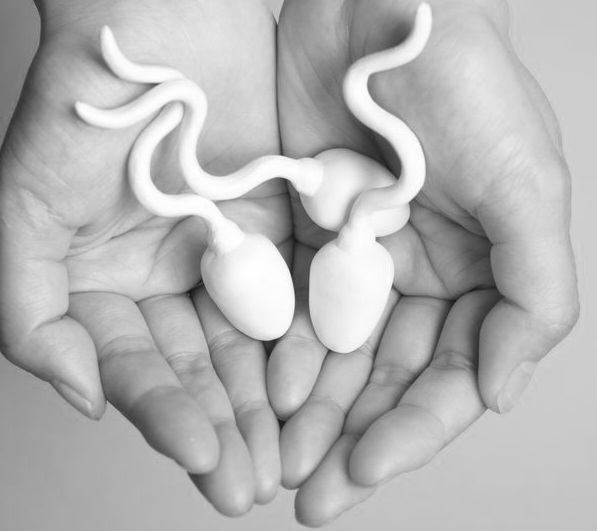
Sperm themselves are microscopic, measuring only about 0.05 millimeters long, yet they are among the most important cells in the human body. Each sperm has a head, which contains DNA; a midpiece, packed with mitochondria to provide energy; and a tail, which propels it forward. Their singular purpose is to reach and fertilize the female ovum, thereby creating the next generation.
2. The Epic Journey Begins
Once ejaculation occurs, the sperm enter the female reproductive tract, specifically the vagina. The vaginal environment is acidic, which presents the first challenge for sperm survival. Many sperm die almost immediately due to this harsh environment.
From here, the sperm must navigate through the cervix, a narrow passage into the uterus. Only sperm that are motile and healthy can make it through this barrier. This stage is a test of endurance—out of the original 400 million sperm, only about 40 million successfully reach the uterus. The rest succumb to the natural obstacles, such as hostile cervical mucus or immune defenses.
3. Racing Towards the Fallopian Tubes
Once in the uterus, sperm begin the race toward the fallopian tubes, where the egg may be waiting. This journey is physically demanding: the sperm must swim through uterine contractions, navigate the female immune system, and maintain enough energy to survive.
By the time the sperm reach the fallopian tubes, their numbers have dwindled drastically. Out of 40 million, only 300 to 500 sperm survive the journey to reach the egg. Each of these surviving sperm represents incredible resilience and strength.
4. The Final Challenge: Fertilization
At last, the surviving sperm arrive at the site of ovulation. Here, only one sperm will ultimately penetrate the outer layer of the egg, the zona pellucida, and fuse with the ovum’s cell membrane. This single sperm’s DNA will combine with the egg’s DNA to form a zygote, the first cell of a new human being.
The odds are astonishing: from 400 million sperm, only one will succeed in fertilization. This lone sperm is responsible for passing on half of the genetic blueprint for the next generation. In this sense, the fertilized egg could be considered a miracle of selection and survival.
5. Reflections on the Journey
Every human being alive today started from such a microscopic contest. That one successful sperm determined our very existence. In a way, each of us is a survivor of a vast biological lottery. It is humbling to realize that out of hundreds of millions, it was our sperm (or our mother’s egg) that made it through the challenges of conception.
The Real Number of Sperm in One Ejaculation The Real Number of Sperm in One Ejaculation The Real Number of Sperm in One Ejaculation
Sperm Count Secrets Science Says Sperm Count Secrets Science Says Sperm Count Secrets Science Says Sperm Count Secrets Science Says Sperm Count Secrets Science Says
বাড়িতে বসে বাংলা স্টাইলে শাওয়ার্মা রেসিপি
বাড়িতে বসে বাংলা স্টাইলে শাওয়ার্মা রেসিপি
ফিরনি রেসিপি রেস্টৃুরেন্ট স্টাইল
রেস্তোরাঁ স্টাইল কাশ্মীরি বিরিয়ানি – ঘরোয়া স্বাদে
মোরগ পোলাও রেসিপি – ঘরোয়া উপায়ে