
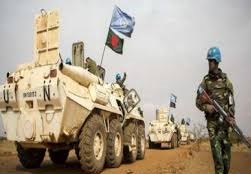
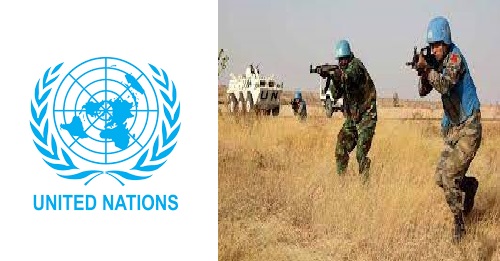
UN Peacekeeping Heroes in Uniform
Bangladesh has long been recognized as a key contributor to the United Nations (UN) peacekeeping missions. Over the decades, Bangladeshi peacekeepers have earned an outstanding reputation for their professionalism, discipline, and commitment to maintaining peace in conflict-affected areas worldwide. The country’s dedication to global peace has positioned it as the top contributor of troops to UN peacekeeping operations, a significant achievement that reflects both its commitment to international peace and its military capability.
Training for Peace: BIPSOT
The backbone of Bangladesh’s successful peacekeeping efforts lies in its specialized training programs. The Bangladesh Institute of Peace Support Operation Training (BIPSOT), located in Gazipur, serves as the primary training center for all Bangladeshi personnel preparing to serve in UN missions. Established to provide comprehensive training, BIPSOT equips troops with the skills necessary to operate effectively in complex and often volatile environments.
The training at BIPSOT includes various components such as conflict resolution, humanitarian assistance, protection of civilians, operational planning, and crisis management. Additionally, peacekeepers are trained in international law, human rights, and cross-cultural communication to ensure they can perform their duties in multinational settings. The institute regularly updates its curriculum to align with the evolving demands of UN peacekeeping missions, ensuring that Bangladeshi peacekeepers remain well-prepared to meet global standards.
Bangladesh’s Role in UN Peacekeeping
Bangladesh’s active participation in UN peacekeeping missions began in the late 1980s and has steadily grown over the years. Today, the country consistently holds the number one position globally in terms of troops deployed for peacekeeping operations. Bangladeshi forces are currently serving in numerous missions across Africa, the Middle East, and Asia, providing crucial support in conflict zones where peace and stability are fragile.
Bangladeshi peacekeepers have been deployed in countries such as South Sudan, the Democratic Republic of Congo, Mali, and Lebanon, among others. They are involved in a wide range of tasks, including patrolling volatile areas, protecting civilians, supporting local governance, facilitating humanitarian aid, and assisting in disarmament and reintegration programs. Their presence often brings stability to regions affected by civil unrest, armed conflict, and political instability.
Leadership in Peacekeeping: Deputy Force Commander Appointment
Recently, Bangladesh marked another milestone in UN peacekeeping by appointing Major General May Main Ullah Chowdhury as the Deputy Force Commander of a UN peacekeeping mission. This appointment underscores Bangladesh’s leadership role and the high level of trust the international community places in its military officers. Senior positions like this allow Bangladesh to influence mission strategies, operational policies, and overall peacekeeping effectiveness, highlighting the country’s growing stature in international security affairs.
Second Top Contributor: Ethiopia
While Bangladesh leads the world in sending troops to UN peacekeeping operations, Ethiopia ranks as the second-largest contributor. Ethiopian peacekeepers, like their Bangladeshi counterparts, play a vital role in maintaining stability in conflict zones. The collaboration between these countries, along with other troop-contributing nations, exemplifies the UN’s multinational approach to peacekeeping, where countries share responsibility and resources to address global security challenges.
Impact and Achievements
The contributions of Bangladeshi peacekeepers have had a tangible impact on global peace and security. Their professionalism and effectiveness have earned them widespread recognition, including commendations from the UN for their courage, dedication, and humanitarian service. Bangladeshi forces have successfully completed complex missions in war-torn regions, often working under extremely challenging conditions, including hostile environments, limited infrastructure, and ongoing violence.
In addition to their operational achievements, Bangladeshi peacekeepers have helped foster goodwill and diplomacy. Their interactions with local populations, humanitarian organizations, and fellow international forces have promoted cultural understanding, cooperation, and mutual respect. These contributions not only stabilize conflict zones but also enhance Bangladesh’s reputation on the global stage.
Challenges in Peacekeeping
Despite their success, Bangladeshi peacekeepers face numerous challenges. Deployments often take place in areas with ongoing conflict, extreme weather, and limited logistical support. Peacekeepers must be prepared to navigate dangerous terrain, handle potential attacks, and provide immediate humanitarian assistance under pressure. Training at BIPSOT and continuous professional development are essential to ensure troops remain resilient, disciplined, and capable in these demanding environments.
Looking Forward
Bangladesh’s role in UN peacekeeping is likely to grow further as global conflicts continue to demand international intervention. The country is committed to maintaining its position as a leading contributor of troops and expanding its leadership roles within UN missions. The combination of rigorous training at BIPSOT, operational experience, and strong leadership positions such as the appointment of Major General May Main Ullah Chowdhury ensures that Bangladesh will continue to be a cornerstone of global peacekeeping efforts.
Conclusion
Bangladesh’s unwavering commitment to UN peacekeeping demonstrates its dedication to international peace and security. Through comprehensive training at BIPSOT, deployment of highly skilled troops, and assuming leadership roles within UN missions, Bangladesh has set a benchmark for other nations. Ranked first globally in troop contribution, and with Ethiopia following as the second largest contributor, Bangladesh exemplifies how a nation can positively influence global stability. Its peacekeepers not only protect civilians and maintain order but also uphold the values of compassion, professionalism, and dedication, making Bangladesh a true pillar of UN peacekeeping operations.

UN Peacekeeping Heroes in Uniform UN Peacekeeping Heroes in Uniform UN Peacekeeping Heroes in Uniform UN Peacekeeping Heroes in Uniform UN Peacekeeping Heroes in Uniform UN Peacekeeping Heroes in Uniform
UN Peacekeeping Heroes in Uniform UN Peacekeeping Heroes in Uniform
গুম প্রতিরোধে নতুন অধ্যাদেশ জারি
বাংলাদেশে পেপ্যাল আসার সম্ভাবনা
সন্ধানী লাইফ ইন্সুরেন্স চাকরি বিজ্ঞপ্তি