
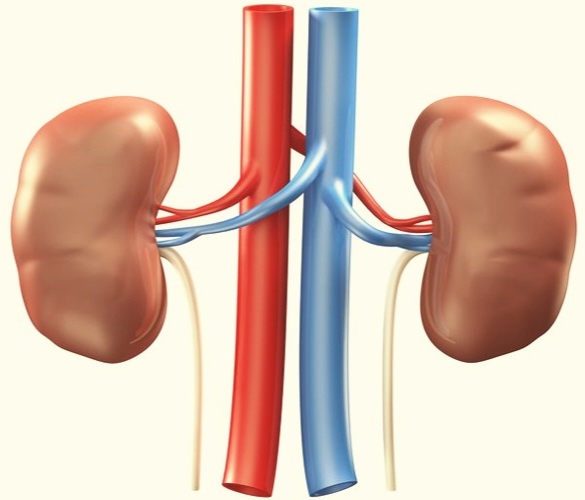
Men Your Kidneys Are at Risk Why
Kidney problems are a significant health concern worldwide, affecting millions of people every year. Among these, kidney stones are one of the most common issues. Interestingly, statistics reveal that men are more likely to suffer from kidney problems than women. Globally, approximately 11 percent of men experience kidney-related issues, whereas only about 6 percent of women face similar problems. This considerable difference has intrigued researchers for decades, prompting investigations into why men are more prone to kidney problems, especially kidney stones.
The Role of Hydration
One of the primary reasons men suffer more from kidney problems is inadequate water consumption. Studies indicate that men, on average, drink less water compared to women. Water plays a crucial role in maintaining kidney health because it helps dissolve salts and minerals that could otherwise accumulate and form stones. Insufficient water intake leads to concentrated urine, which increases the risk of crystal formation in the kidneys, eventually developing into stones.
Men who do not consume enough water, particularly those who lead sedentary lifestyles or work indoors without exposure to sunlight, are especially vulnerable. The lack of hydration prevents the kidneys from flushing out harmful substances effectively, thereby increasing the likelihood of stone formation. Over time, these stones can grow larger, causing severe pain, urinary tract infections, and even kidney damage if untreated.
Dietary Habits
Diet also plays a critical role in kidney health. Men often consume diets higher in protein, salt, and unhealthy fats, which can increase the risk of kidney stone formation. High protein intake, particularly from animal sources, can elevate calcium and uric acid levels in the urine, contributing to crystal formation. Excessive salt consumption can lead to higher calcium excretion through urine, which further promotes stone formation. In contrast, women typically consume slightly lower amounts of these substances, which may partly explain their lower incidence of kidney stones.
Moreover, men may be more likely to consume sugary drinks, processed foods, and high-oxalate foods, all of which contribute to kidney stress. Irregular meal patterns and unhealthy snacking habits further exacerbate the risk. Researchers emphasize that a balanced diet rich in fruits, vegetables, and adequate hydration can significantly reduce kidney-related risks.
Lifestyle Factors
Lifestyle factors significantly influence the prevalence of kidney problems among men. Men are statistically more likely to engage in alcohol consumption, smoking, and irregular sleep patterns, all of which contribute to kidney dysfunction. Alcohol, in particular, dehydrates the body, which increases the concentration of urine and promotes stone formation. Smoking affects kidney function by impairing blood flow and increasing oxidative stress, making kidneys more susceptible to damage.
Additionally, men are more likely to have occupations that involve prolonged sitting or limited physical activity, which can contribute to urinary retention and reduced kidney efficiency. A sedentary lifestyle combined with low fluid intake creates the perfect environment for kidney problems to develop.
Biological Differences
There are also biological factors that contribute to the higher incidence of kidney problems in men. Hormonal differences, particularly the effects of testosterone, may influence the formation of kidney stones. Some studies suggest that testosterone increases the excretion of calcium and uric acid in urine, which can facilitate the development of stones. On the other hand, estrogen in women appears to offer a protective effect, reducing calcium oxalate crystal formation and lowering the risk of kidney stones.
Additionally, differences in kidney anatomy between men and women might play a minor role. Men generally have larger kidneys, but they also produce more concentrated urine due to differences in body metabolism, which can lead to higher stone formation risk.
Health Awareness and Screening
Another factor contributing to the higher prevalence of kidney problems among men is lower health awareness and delayed medical check-ups. Men are often less likely to visit doctors for routine screenings or minor urinary symptoms, allowing small kidney stones or early kidney dysfunction to progress unchecked. Women, on the other hand, tend to be more proactive about their health, leading to early detection and management of kidney issues.
Early diagnosis is critical because untreated kidney stones can lead to complications such as chronic kidney disease, urinary tract infections, and even kidney failure. Therefore, men need to prioritize kidney health by staying hydrated, following a balanced diet, and scheduling regular check-ups.
Conclusion
In summary, men are more prone to kidney problems than women due to a combination of hydration habits, dietary choices, lifestyle factors, biological differences, and health awareness. Drinking sufficient water, maintaining a balanced diet, avoiding excessive alcohol, and engaging in regular physical activity are essential steps for men to reduce their risk of kidney stones and other kidney-related issues.
Understanding these risk factors is crucial not only for men but also for society as a whole. By increasing awareness, promoting healthy lifestyles, and encouraging timely medical screenings, men can significantly reduce the incidence of kidney problems and lead healthier, stone-free lives.
Men Your Kidneys Are at Risk Why Men Your Kidneys Are at Risk Why Men Your Kidneys Are at Risk Why Men Your Kidneys Are at Risk Why Men Your Kidneys Are at Risk Why Men Your Kidneys Are at Risk Why
Men Your Kidneys Are at Risk Why Men Your Kidneys Are at Risk Why
গুম প্রতিরোধে নতুন অধ্যাদেশ জারি
বাংলাদেশে পেপ্যাল আসার সম্ভাবনা
সন্ধানী লাইফ ইন্সুরেন্স চাকরি বিজ্ঞপ্তি